
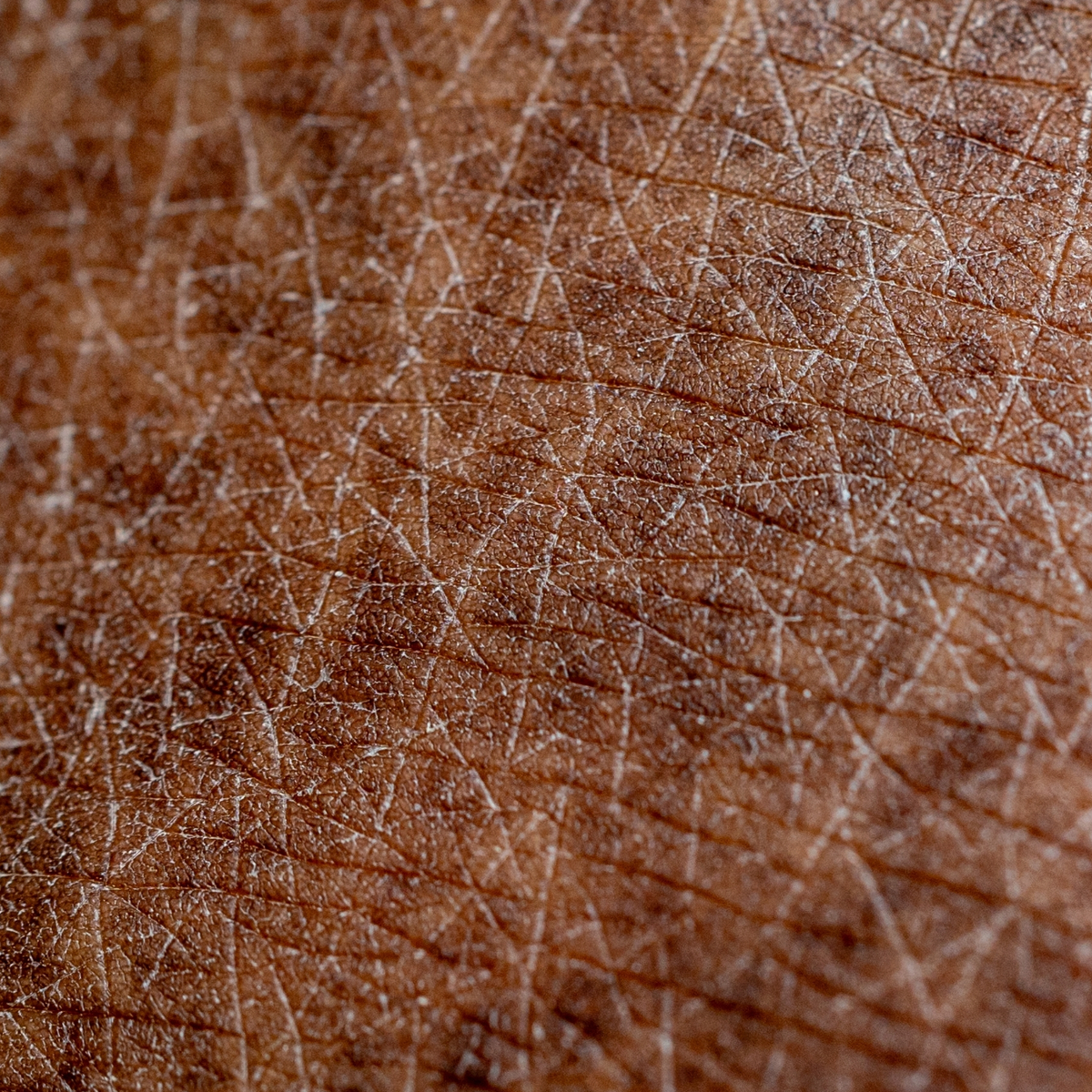
Tight, Dry-Feeling Skin? A Guide to Barrier Care
When your skin feels tight after cleansing, adding another intensive treatment may not be the most useful next step. A comfortable moisturizing routine is often a better place to begin.
Ceramides and panthenol are two ingredients you will often find in barrier-focused skincare. They bring different properties to a formula, making them a thoughtful pairing for moisture care.
Why does skin feel tight or dry?
Tightness after washing, a rough feel, or visible flaking can make your usual routine feel less comfortable. These signs do not identify a single cause, but they are useful reasons to review how you cleanse, moisturize, and exfoliate.
Start by looking at your routine as a whole. Is cleansing leaving your skin uncomfortable? Have you recently added several treatments? A simpler routine makes it easier to notice which steps suit your skin. If discomfort persists, seek advice from a dermatologist.
What is the skin moisture barrier?
The outermost skin layer contains cells surrounded by lipids. Together, they help reduce water loss and protect the skin from its surroundings.
This structure is sometimes compared to a brick wall: the cells are the bricks and the surrounding lipids are the mortar. It is a simplified picture, but it helps explain why caring for the surface matters.
Skin activating skincare starts by respecting the work this barrier already does.
What do ceramides do?
Ceramides are part of the skin's natural lipid mixture. In skincare, ceramide-containing moisturizers are designed to support moisture care and barrier function.
Ceramide NP is one type you may recognize on ingredient lists. Its presence is useful information, but the ingredient name alone cannot tell you how well a product will work. The surrounding lipids, other moisturizers, and the finished formulation also matter.
Clinical research on a moisturizer designed to mimic natural skin moisturizing systems found improved hydration. The finding applies to that tested cream, rather than every product containing ceramides.
What does panthenol do?
Panthenol, also called provitamin B5, is used in moisturizing formulations. In a randomized human study, tested dexpanthenol formulations improved outer-layer hydration and reduced transepidermal water loss over seven days.
Transepidermal water loss describes water passing from the skin into the environment. It is one measurement researchers use when evaluating barrier function.
How to build a barrier-conscious routine
Start with gentle cleansing and a moisturizer your skin tolerates. Introduce new products individually so you can recognize what feels comfortable. If exfoliation leaves your skin persistently uncomfortable, reduce it rather than trying to compensate with more products.
SAYNID's two CO₂ Bubble Serum Masks, Collagen Lifting and PDRN Revitalizing, both list panthenol and Ceramide NP. They offer a way to include these ingredients at your serum step; add a moisturizer if your skin needs more comfort.
Frequently asked questions
Are ceramides and hyaluronic acid interchangeable?
They serve different roles. Hyaluronic acid binds water; ceramides are lipids associated with the barrier. A formula can use both.
Does panthenol exfoliate skin?
Panthenol is used for moisturizing care rather than exfoliation.
Should barrier care sting?
Stinging is not a goal or a measure of effectiveness. Stop using a product that causes persistent discomfort.
The strongest routine is one your skin can live comfortably with.
Continue reading: What Is a Multi-Hyaluronic Acid Complex?.
Research references: Human dexpanthenol study, 2000; Moisturizer and hydration study, 2018.
Read more
Learn what PDRN means in skincare, why ingredient source and delivery matter, and how to approach a PDRN serum with realistic expectations.
Explore how CO₂ foam may help skincare delivery, what bubble research shows, and how to use a SAYNID CO₂ Bubble Serum Mask in your routine.