
Skip to content

Why Activate?

Your skin is already doing the work. 

Discover the science, ingredients, and everyday rituals behind skin activating skincare—and how we help support your skin’s full potential.

Drop of clear serum with bubbles on a light surface
Ingredient SpotlightOct 23, 2026
What Is PDRN in Skincare? A Guide to the Serum Ingredient

Learn what PDRN means in skincare, why ingredient source and delivery matter, and how to approach a PDRN serum with realistic expectations.
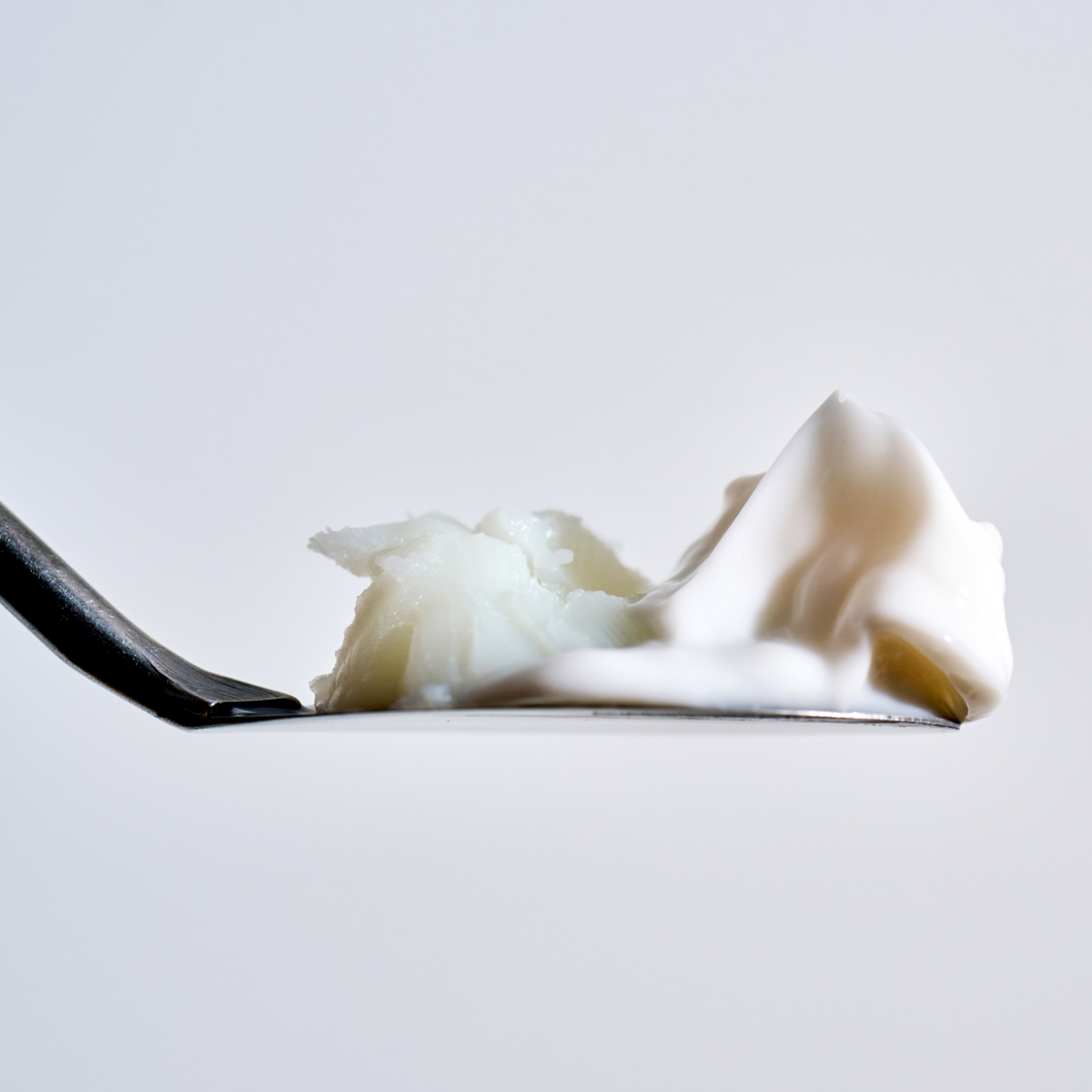
Thick white cream texture on a spoon
Ingredient SpotlightOct 23, 2026
Microbiome Skincare: What Are You Actually Applying?

Understand the skin microbiome, how ferment lysates differ from live probiotics, and where SAYNID's cream-to-oil mask fits into your routine.
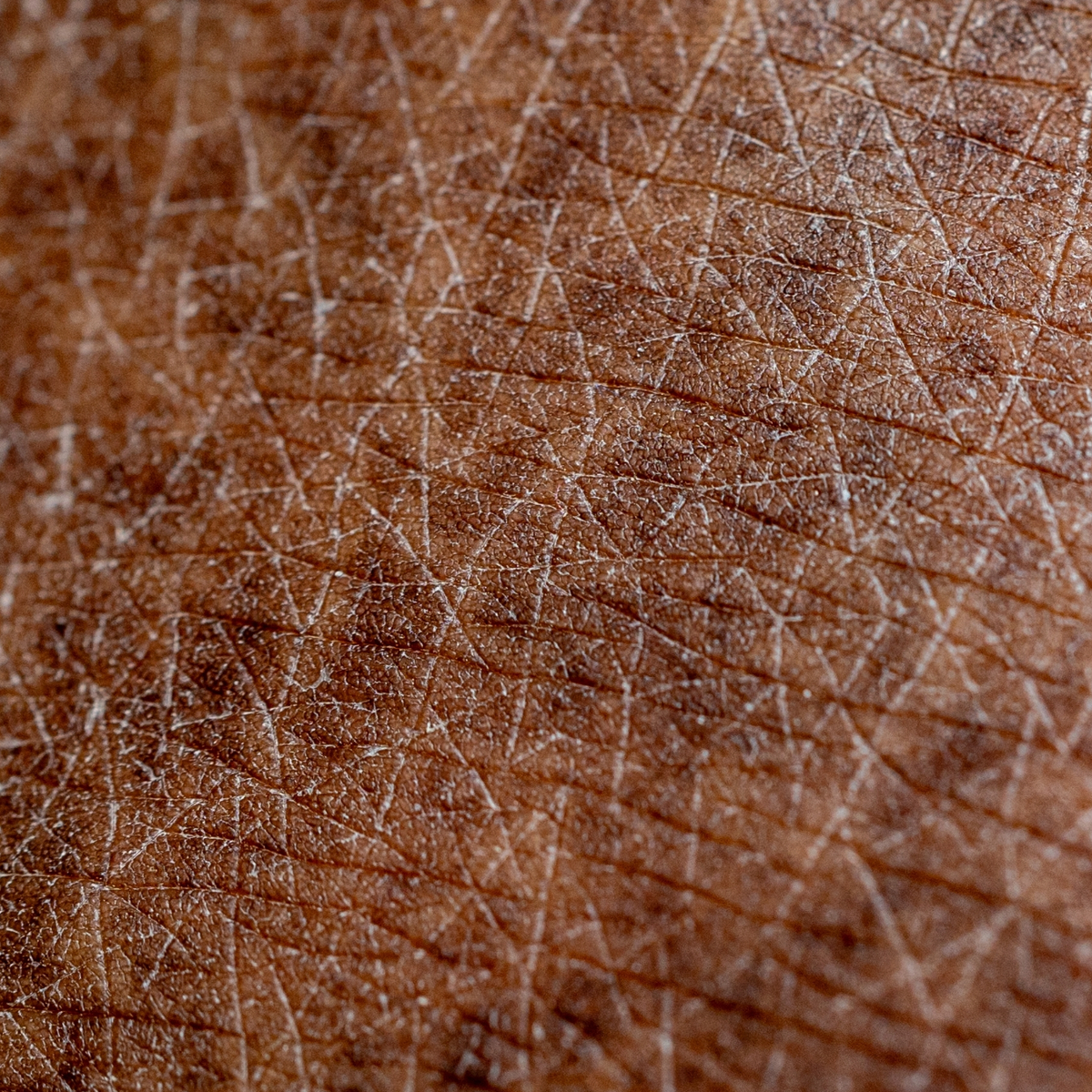
Macro view of dry skin texture with fine surface lines
Skin ConcernsOct 23, 2026
Tight, Dry-Feeling Skin? A Guide to Barrier Care

A practical guide to tight, dry-feeling skin, with a closer look at ceramides, panthenol, and a comfortable moisturizing routine.
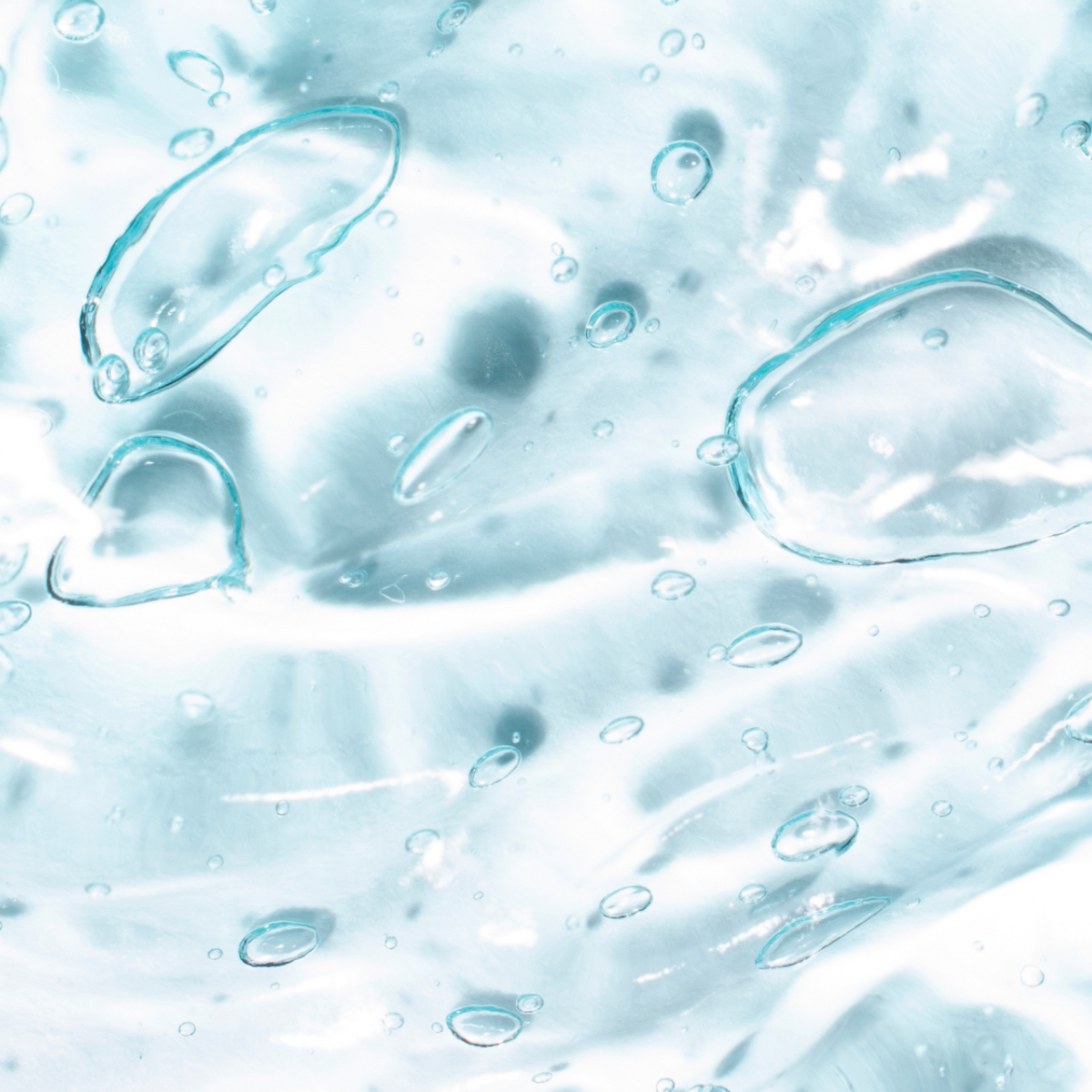
Clear hydrating gel texture with air bubbles
Ingredient SpotlightOct 23, 2026
What Is a Multi-Hyaluronic Acid Complex?

Learn what a multi-hyaluronic acid complex means, why molecular weight matters, and how hydration fits into a comfortable skincare routine.
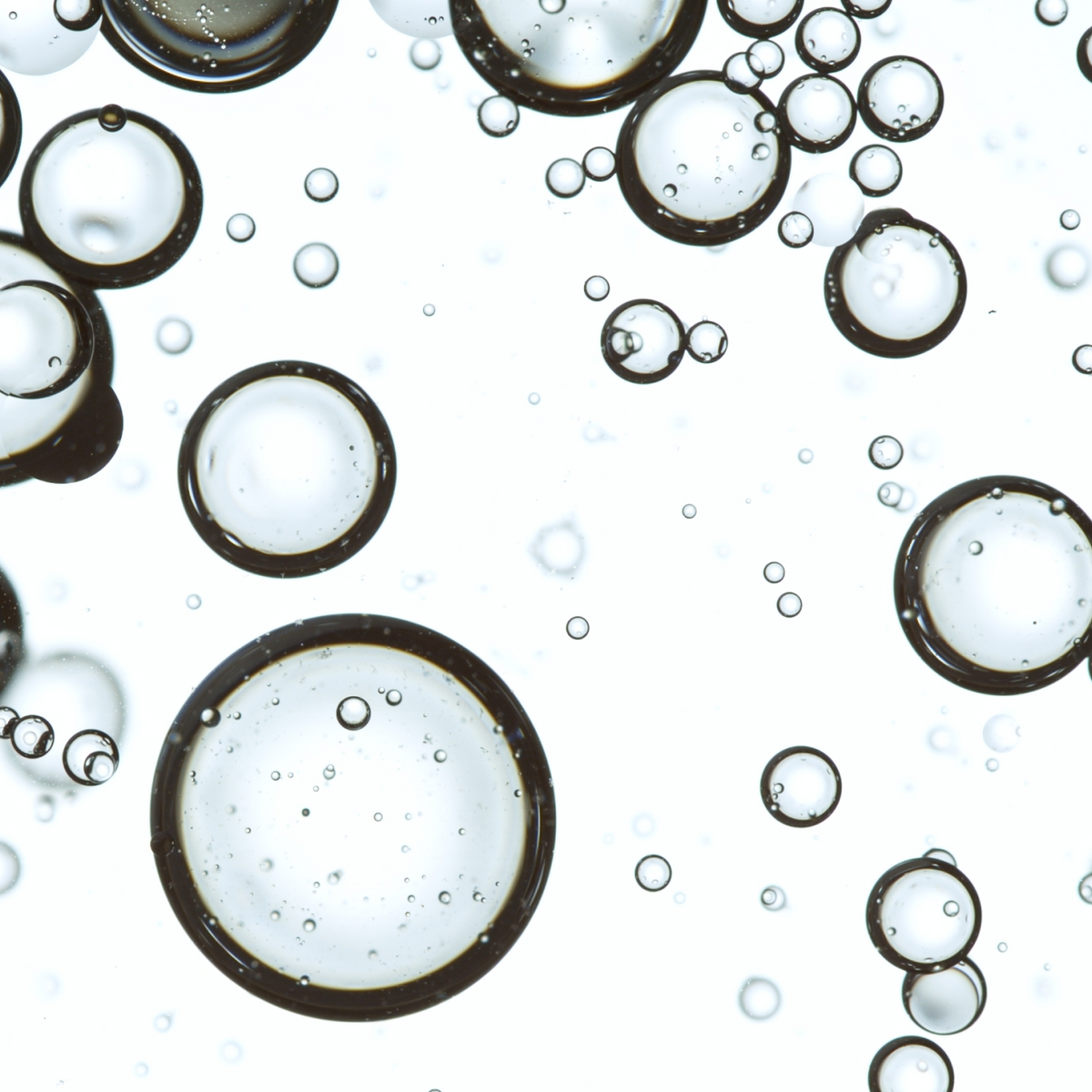
Close-up of clear bubbles suspended in liquid, illustrating a CO₂ bubble serum
Ingredient SpotlightOct 23, 2026
CO₂ Bubble Serum: How Bubbles May Help Skincare Delivery

Explore how CO₂ foam may help skincare delivery, what bubble research shows, and how to use a SAYNID CO₂ Bubble Serum Mask in your routine.

Close-up of skin with water droplets
Tip & RoutinesOct 23, 2026
Why Skin Activation Starts With the Barrier: A Simple Routine

Put skin activating skincare into practice with a simple morning and evening routine built around Prep, Activate, and Seal.

Swatch of clear gel serum with tiny bubbles on a blue background
Ingredient SpotlightOct 23, 2026
Hydrolyzed Collagen, EGF, and NAD+: Understanding the Ingredients

Explore hydrolyzed collagen, EGF, and NAD+ in skincare, with a clear distinction between biological roles and evidence for topical formulas.