
Microbiome Skincare: What Are You Actually Applying?
Your skin is home to a community of microorganisms, often called the skin microbiome. It is part of a living surface that is far more complex than it looks.
Microbiome skincare draws inspiration from that ecosystem. To understand a product, though, it helps to look past the category name and identify the ingredients actually in the formula.
Probiotics and ferment lysates are different
Probiotics are live microorganisms with a demonstrated benefit when used in adequate amounts. A ferment lysate is different: it contains material from microorganisms that have been broken down, rather than necessarily containing live organisms.
This distinction matters. A serum or mask described as probiotic-inspired may contain fermented ingredients without delivering live bacteria to the skin.
Neither category name tells you everything about the product. The specific ingredient, its preparation, concentration, and the finished formulation all deserve attention.
What does the research show?
A controlled human study of a cream containing a particular Bifidobacterium longum lysate reported improvements in skin sensitivity and resistance to barrier disruption.
That is evidence for a specific extract in a specific cream. It does not establish that all ferments have the same effects, or that every microbiome-positioned product changes the microbial community on your skin.
Good ingredient education keeps those distinctions visible.
Where jojoba oil fits
Jojoba oil plays a separate role in skincare. It is commonly used as an emollient, contributing softness and a conditioned feel. Its composition is rich in wax esters.
That makes it useful to think about jojoba through texture and comfort, rather than as proof of a microbiome effect. A formula can combine ferment-derived ingredients with emollients while each contributes something different.
Meet SAYNID's cream-to-oil mask
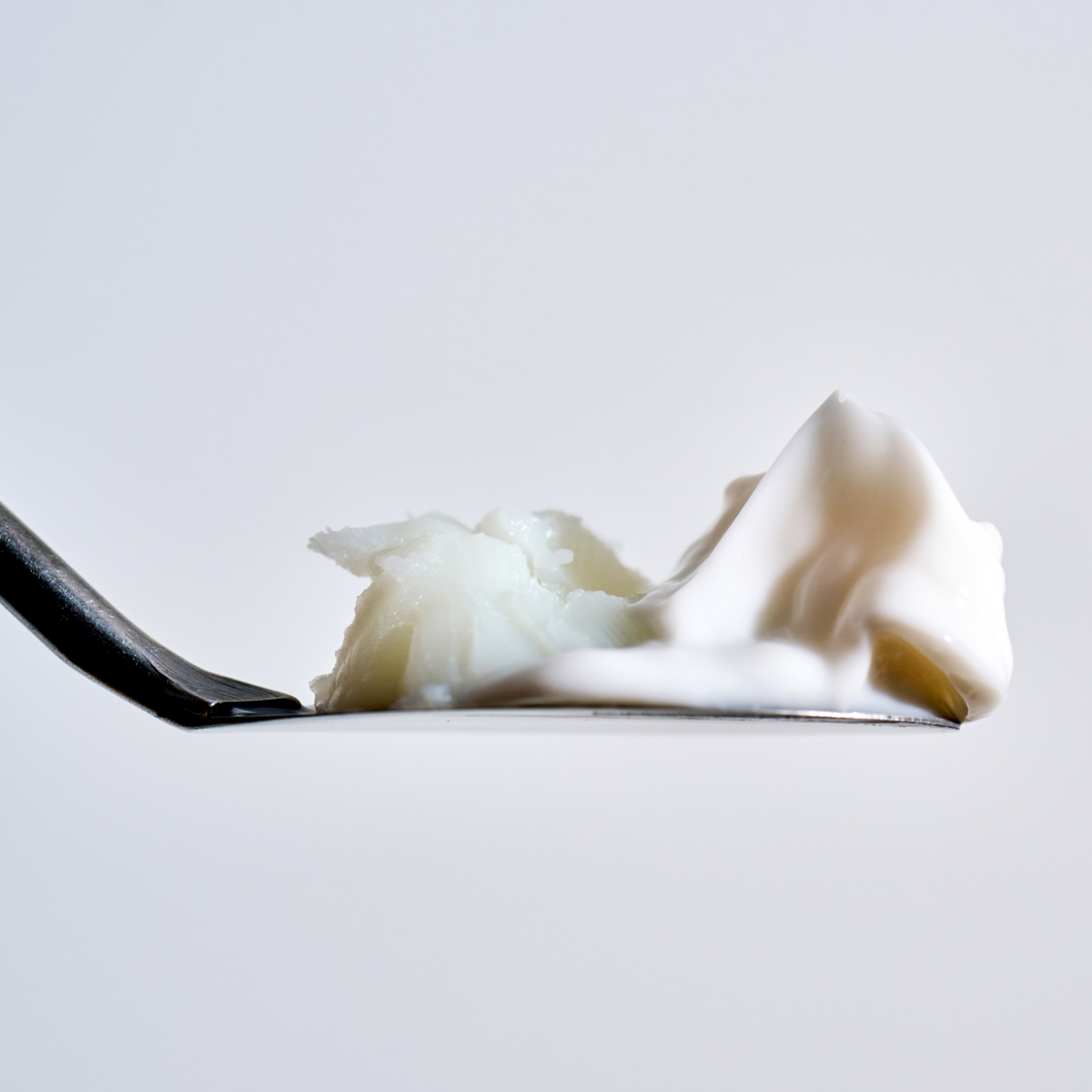
The Microbiome Renewing Cream Mask lists Lactobacillus Ferment Lysate and jojoba seed oil. It is a rinse-off cream-to-oil product, distinct from SAYNID's leave-on CO₂ serums.
Apply a thin layer to dry, cleansed skin. Wait about five minutes until transparent, gently roll, and rinse with lukewarm water. Avoid aggressive rubbing. The amount of material that rolls off should not be treated as a measurement of removed dead skin; the formula can contribute to visible residue.
Frequently asked questions
Does a ferment lysate contain live probiotics?
The term “lysate” does not establish that live organisms are present. Check the exact ingredient and the manufacturer's information.
Can skincare reset my microbiome?
“Reset” is a broad claim. Demonstrating a change in the skin's microbial community requires appropriate testing, rather than the presence of a ferment ingredient alone.
At SAYNID, the starting point is respect for the skin you already have.
Continue reading: Why Skin Activation Starts With the Barrier: A Simple Routine.
Research references: Bifidobacterium longum lysate human study, 2010; Primary analysis of jojoba wax components, 2009.
Read more
Learn what PDRN means in skincare, why ingredient source and delivery matter, and how to approach a PDRN serum with realistic expectations.
Explore how CO₂ foam may help skincare delivery, what bubble research shows, and how to use a SAYNID CO₂ Bubble Serum Mask in your routine.